Agril.Extension Profile
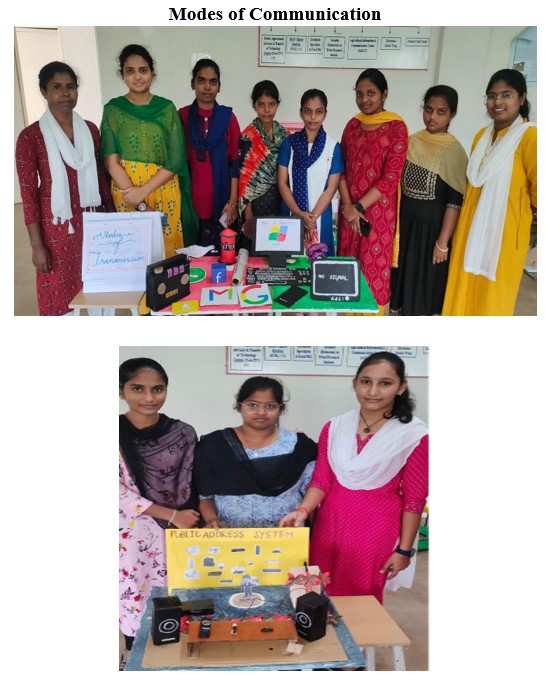
Agricultural extension is an educational system and vital part of agricultural development that facilitates the transfer of scientific knowledge, technologies, and innovations from research institutions to farmers to improve productivity, income, and sustainability. It bridges the gap between research and practical farming through effective communication, tailored education, and participatory methods. Extension promotes the adoption of improved practices by considering the social, economic, and cultural contexts of rural communities. It uses various tools like demonstrations, farm visits, media, and mobile apps to deliver technical guidance, solve local problems, and encourage climate-resilient farming. Extension also supports rural development by building leadership, linking farmers with markets, credit, and government schemes. A competent extension worker must understand communication, rural sociology, and innovation processes to guide farmers effectively. Ultimately, agricultural extension strengthens food security, reduces poverty, and drives inclusive and sustainable agricultural growth.
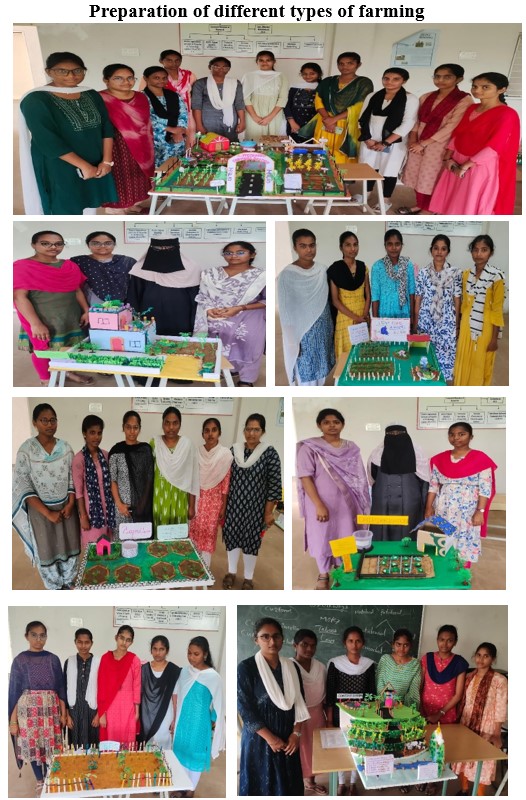
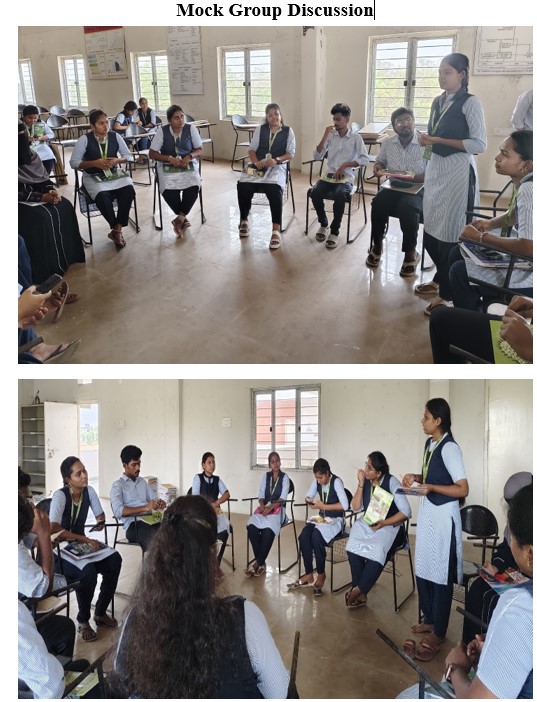
Agricultural extension is highly beneficial to students pursuing a degree in agriculture, as it bridges academic learning with real-world application and community engagement. It equips students with practical knowledge and communication skills essential for working directly with farmers and rural communities. Through extension activities such as field visits, demonstrations, farmer training programs, and rural internships (like RAWEP or experiential learning), students gain hands-on experience in transferring agricultural technologies and solving real-time problems faced by farmers. This helps them develop leadership, problem-solving, and interpersonal skills that are vital for a career in agricultural development. Extension education also deepens their understanding of rural society, farming systems, and the socio-economic challenges of agriculture, thereby shaping them into well-rounded professionals who can contribute effectively as extension officers, researchers, agri-entrepreneurs, or policymakers. In essence, agricultural extension connects classroom theory with field practice, making students more competent, responsible, and field-ready upon graduation.
.jpg)
P LAKSHMI PRIYA
Assistant Professor
M.Sc. (Ag.) in Agricultural Extension Education
.jpeg)
B. PRASAD
Assistant Professor
Courses:
|
COURSE NAME
|
COURSE CODE
|
CREDIT HOURS
|
|
COMMUNICATION SKILLS (VI D)
|
AEC 191
|
2(1+1)
|
|
RURAL SOCIOLOGY AND EDUCATIONAL PSYCHOLOGY (VI D)
|
AEXT 192
|
2(2+0)
|
|
PERSONALITY DEVELOPMENT (VI D)
|
AEC 193
|
2(1+1)
|
|
ENTREPRENEURSHIP DEVELOPMENT AND BUSINESS COMMUNICATION (VI D)
|
MDC 291
|
3(2+1)
|
|
FUNDAMENTALS OF EXTENSION EDUCATION (VI D)
|
AEXT 292
|
2(1+1)
|
|
HUMAN VALUES AND ETHICS (V D)
|
AEXT 190
|
1(1+0)
|
|
RURAL SOCIOLOGY AND EDUCATIONAL PSYCHOLOGY (V D)
|
AEXT 191
|
2(1+1)
|
|
FUNDAMENTALS OF EXTENSION EDUCATION (V D)
|
AEXT 291
|
3(2+1)
|
|
ENTREPRENEURSHIP DEVELOPMENT AND BUSINESS COMMUNICATION (V D)
|
AEXT 292
|
2(1+1)
|
|
COMMUNICATION SKILLS AND PERSONALITY DEVELOPMENT (V D)
|
AEXT 391
|
2(1+1)
|
.jpg)